 1300 557 356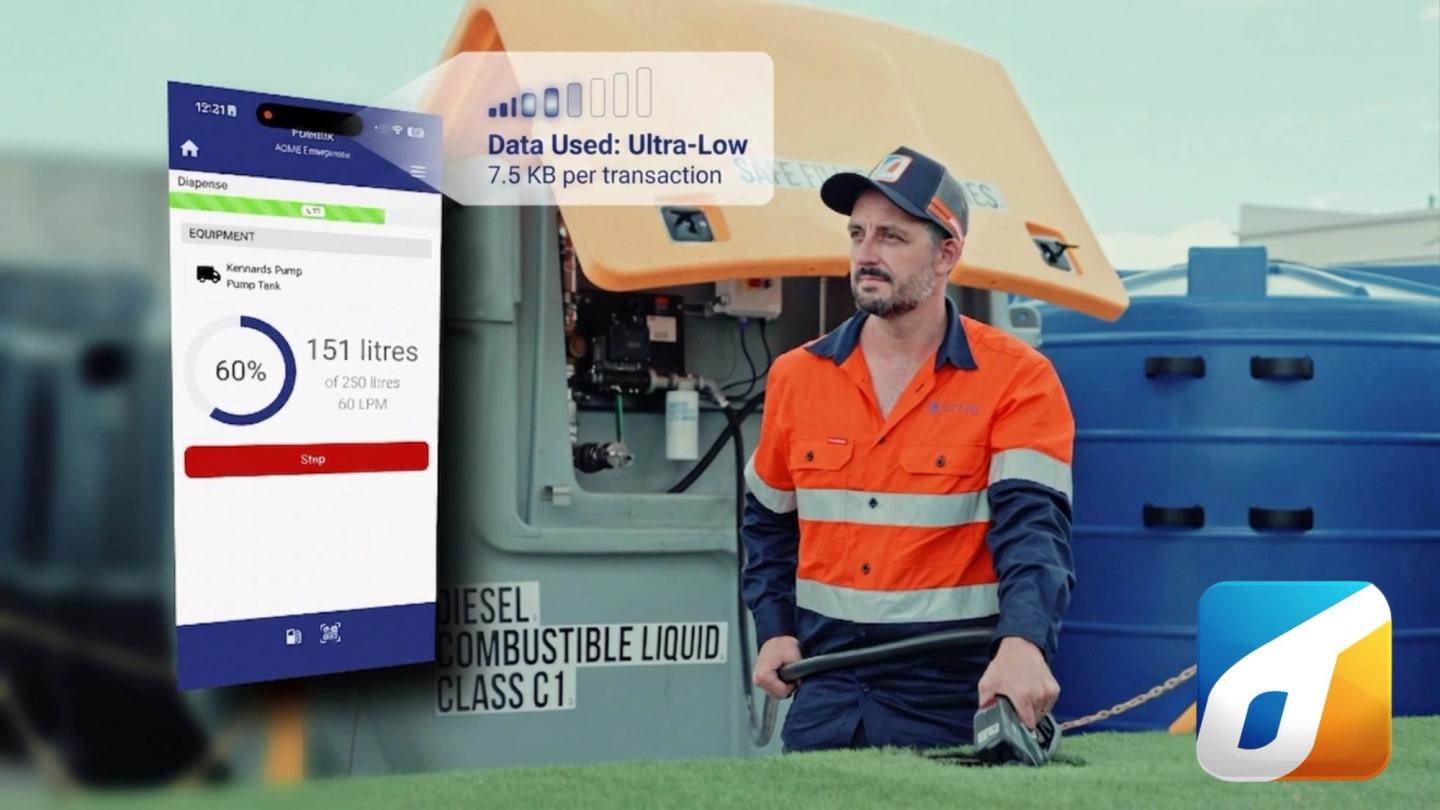
Two questions come up more than almost any other when someone is weighing up a fuel tracking app.
"What happens when there's no signal out here?" And straight after: "Is this thing going to eat my data?"
Both are fair. If your tanks sit on a cattle station two hours from the nearest tower, or on a civil site behind a ridge with one bar on a good day, an app that needs signal is useless. And nobody wants a work tool chewing through the same data plan the family uses.
Fuellox was built around both problems. Here's how a fuel tracking app with no signal actually works.
A fuel tracking app with no signal: how it works
Most fuel management systems assume the hardware is always connected. That's why so many use a SIM card in the unit. No signal means no connection, and on a remote site that means an expensive brick on your tank.
Fuellox works differently. The unit on the tank talks to the operator's phone over Bluetooth, not the mobile network. There's no SIM card in the controller waiting for coverage that may never come. The phone handles the syncing when it's ready.
This is the core of the design. Vehicle-based, SIM-based systems assume you're always online. Bluetooth fuel management assumes you're probably offline most of the time, because that's reality for tanks in the Australian and New Zealand bush.
What happens when you're out of range
Say an operator fuels up at a site with zero bars. Nothing is lost.
The fill is saved to the phone the moment it happens: operator, machine, litres, time and site. The phone holds that record until it finds a connection, then uploads it in the background.
Nobody waits around for signal before they can pump. Nobody has to remember to sync later. This is what offline fuel management should look like.
So how much data does it use?
Very little. Fuellox doesn't send photos, video or large files. It sends small plain-text records with only what the system needs:
- Operator details
- Equipment details
- Fuel transactions
- GPS location
- Date and time
- Project and site details
- System settings and updates
A typical fill uploaded from the app is about 7.5 KB. That's roughly the size of a short email.
Why a full sync still barely registers
Most syncs use between 25 KB and 500 KB. That's because Fuellox only swaps what has changed since the last sync.
A new operator, an updated machine, a new project or the latest fills: that's what moves. Everything else stays on the phone. The sync is quick and it barely touches your data usage.
To put it in perspective, one typical YouTube video uses about the same data as 45,000 Fuellox transactions. If you watch one clip a month, you won't notice Fuellox running alongside it.
What changes how much data you use
A few things move the number, though rarely by much:
- The size of your fleet
- How many users you have
- How many fills get recorded
- How often admins add or change users, machines, sites and projects
- How often the app syncs
Because only new or changed information moves, even a big fleet across several sites uses surprisingly little.
When Fuellox syncs
After each fill, the app uploads the record and pulls down anything new. Anyone can also sync by hand at any time. On top of that, the phone runs quiet background syncs when conditions allow. Every time, the same rule applies: only what's new moves.
Built for remote sites
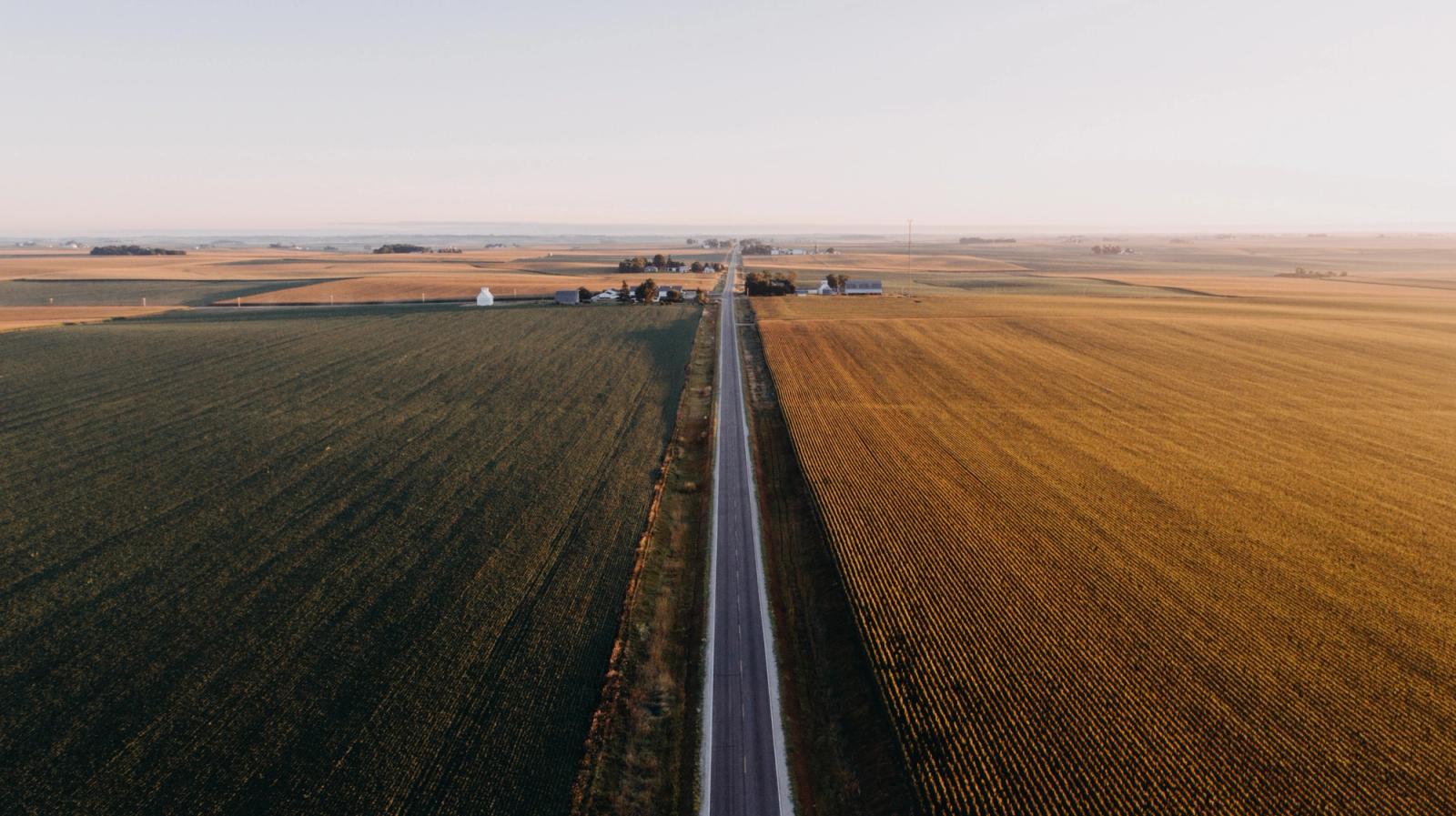
A lot of Fuellox customers work where towers don't reach. Turf farms. Remote sites on civil jobs. Stations and paddocks a long way from anywhere. Depots with patchy coverage.
There's no SIM waiting on signal and no fob to lose. Just a Bluetooth link to a phone that already goes wherever the operator goes, and a sync that happens whenever the network turns up.
The short answer
Does it work with no signal? Yes. It runs on Bluetooth, so it records every fill offline.
Does it eat your data? No. A typical fill is about 7.5 KB, and a typical sync is between 25 and 500 KB.
For almost every operator, both worries turn out to be non-issues. See how the Fuellox fuel management system fits together, read how it works, compare a Bluetooth fuel management system with SIM and fob systems, or book a free demo and we'll show you how it handles your remote sites.
Frequently asked questions
Can a fuel tracking app work with no mobile signal?
Yes, if it's built for it. Fuellox connects to the tank over Bluetooth and saves each fill on the operator's phone. The record uploads automatically the next time the phone finds signal, so nothing is lost and nobody has to wait for coverage before they can pump.
How much data does Fuellox use?
Very little. A typical fuel transaction is about 7.5 KB, roughly the size of a short email. Most syncs use between 25 KB and 500 KB, because only new or changed information is sent. Most operators won't notice it next to everyday things like streaming or social media.
Does Fuellox need a SIM card?
No. There's no SIM card in the Fuellox controller. It uses the operator's phone to sync, which is why it keeps working on remote sites with no coverage. It also means the unit isn't left stranded when mobile networks change, as happened when Australia's 3G networks closed.