
 1300 557 356

Understanding Fuel Excise
Introduction to Fuel Excise
Fuel Excise for Australian Fleet Operators and Business Owners
Fuel excise in Australia is a significant consideration for fleet operators and business owners. As a flat sales tax levied by the Australian Government on petrol and diesel, the current rate stands at 49.6 cents for every litre of fuel purchased. This tax plays a crucial role in the nation’s economy and directly impacts the operational costs of businesses relying on transportation.
By the Numbers
The Breakdown of Fuel Tax Credits (FTC)
In total, FTCs for petrol and diesel represent a significant return to businesses, offsetting a portion of their operational costs related to fuel consumption.
-
49%
of fuel taxed at the terminal gate received a Fuel Tax Credit for part or all of the excise
-
17%
used on road, qualifying for a partial FTC of 16.7 cents per litre
-
32%
used off public roads for creditable purposes, qualifying for a full FTC averaging 42.5 cents per litre
-
$7.3B
in FTCs for petrol and diesel, as an expense to the budget
The Detail
How Fuel Excise Works
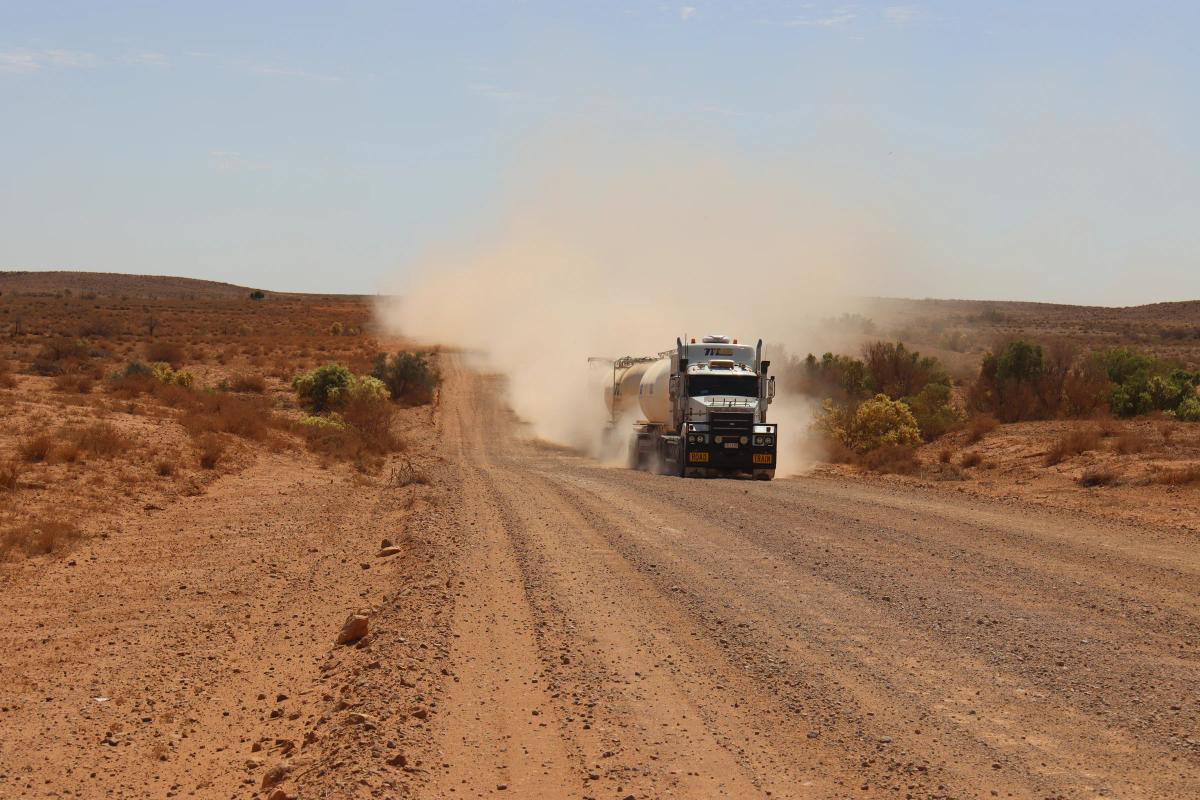
Every year millions of litres of fuel is stolen from running tanks. How much was yours?
-
How Fuel Excise Works
Fuel excise is adjusted bi-annually, in February and August, to align with inflation, adding a layer of complexity to financial planning for businesses. This tax is in addition to the Goods and Services Tax (GST), further influencing the total cost of fuel. Understanding these adjustments is vital for effective budgeting and financial forecasting in the transportation sector.
-
The Role of Fuel Excise in Government Funding
Fuel excise is a major revenue stream for the Australian Government, with projections indicating that Australian motorists will contribute over $15.7 billion in net fuel excise this financial year. For fleet operators and business owners, recognizing the broader economic implications of these contributions is essential for informed advocacy and dialogue with policymakers.
-
Fuel Excise and Infrastructure Development
While fuel excise contributes to the government’s general revenue, a portion is earmarked for transport infrastructure development. This investment is critical for improving road conditions and transport efficiency, directly benefiting businesses that rely on road transport. However, the allocation of these funds and the transparency of their use remain areas of interest for business stakeholders.
-
Impact for Fleet Operators and Business Owners
For fleet operators and business owners, the impact of fuel excise extends beyond direct financial costs. It influences the cost of goods and services, affecting overall business competitiveness and consumer prices. Understanding this broader impact is crucial for strategic planning and pricing strategies.
The Numbers
Who Is Using Fuellox?
In the 2020-21 financial year, the Australian Government collected a staggering $18.8 billion in gross excise from manufacturers or importers on petrol and diesel. This figure underscores the significant contribution of fuel excise to the national budget, highlighting the importance of fuel taxation in Australia’s fiscal landscape. However, a closer look at the distribution and utilization of these funds reveals a compelling opportunity for businesses.
Fuel Tax Credits
How to Ensure You're Getting Everything You're Entitled To
-
Understand Eligibility
Familiarize yourself with the eligibility criteria for FTCs. Determine whether your business’s fuel usage for machinery, equipment, heavy vehicles, and light vehicles off public roads qualifies for credits.
-
Stay Informed on Rates
Keep up to date with the latest FTC rates, which are subject to change. Ensure you’re applying the correct rates when calculating your credits.
-
Utilize ATO Resources
The Australian Taxation Office (ATO) offers tools and calculators to assist businesses in determining their eligible claims. Make use of these resources to simplify the process.
-
Seek Professional Advice
Consider consulting with a tax professional or advisor who specializes in FTCs. Their expertise can help navigate the complexities of the scheme and ensure you’re claiming the maximum amount possible.
-
Record Keeping
Maintain accurate records of fuel purchases and usage. Detailed records will support your claims and help you maximize your entitlements.

See the complete system.
One unit on the tank, the app on the phone, and a record of every litre behind them. See how the whole system fits together, or book a free demo and we'll walk it through on your own setup.
FAQ
Fuel Excise Frequently Asked Questions
What is fuel excise and how does it affect my business?
Fuel excise is a tax levied by the Australian Government on petrol, diesel, and other fuels. For businesses, especially those operating fleets, this tax directly impacts operational costs. Understanding how fuel excise works and how to recover part of this cost through fuel tax credits can significantly reduce your expenses.
How can fleet operators manage the impact of fuel excise on their operations?
Fleet operators can mitigate the impact of fuel excise by implementing strategic fuel management practices, investing in fuel-efficient vehicles or transitioning to electric vehicles (EVs) to reduce fuel consumption, and maximizing fuel tax credit (FTC) claims for eligible fuel usage.
How does Fuellox help manage excise claims?
Fuellox simplifies the process of managing fuel excise claims by providing an innovative platform that automates the tracking and reporting of fuel usage into categories that align with legislation. Our system accurately records fuel transactions and usage across your fleet, enabling you to easily identify eligible fuel tax credit claims. With Fuellox, you can ensure compliance with ATO requirements, maximize your entitlements, and reduce administrative overhead.
Are there rebates available for businesses regarding fuel excise?
Yes, businesses can claim fuel tax credits for fuel used in eligible business activities, effectively acting as a rebate. This includes fuel used in machinery, heavy vehicles, and for certain off-road activities. Eligibility and the amount claimable depend on the type of fuel and its use.
How does fuel excise affect the adoption of electric vehicles in fleets?
The shift towards electric vehicles (EVs) is partly motivated by the desire to reduce fuel costs and environmental impact. EVs are exempt from fuel excise, offering potential savings. However, businesses should consider the total cost of ownership, including initial purchase price and charging infrastructure.
Can I claim fuel tax credits for all types of fuel?
Fuel tax credits can be claimed for most business uses of fuel. However, there are exceptions, such as fuel used in light vehicles (4.5 tonnes GVM or less) travelling on public roads, which only qualify for a partial credit. The type of fuel and its use determine eligibility and the credit rate.
What records do I need to keep to claim fuel tax credits?
To claim fuel tax credits, you must keep records that support your claim, including fuel purchase invoices showing the amount and type of fuel purchased, documentation of fuel usage showing how the fuel was used in your business, and calculations showing how you worked out your claim amount.
How often do fuel tax credit rates change?
Fuel tax credit rates are indexed twice a year, in February and August, in line with the consumer price index (CPI). Additionally, rates may change due to adjustments in the road user charge for heavy vehicles. It's important to use the correct rates when calculating your claim.
How can I ensure I'm claiming the maximum amount possible for fuel tax credits?
To maximize your fuel tax credit claims, stay informed about the latest rates and eligibility criteria, keep detailed and accurate records of fuel purchases and usage, consider using ATO tools and resources for accurate calculations, and seek advice from a tax professional or advisor specializing in fuel tax credits.
What happens if I make a mistake in my fuel tax credit claim?
If you realize you've made a mistake in your fuel tax credit claim, you should correct it as soon as possible. You can adjust your claim on your next business activity statement (BAS) or contact the ATO for guidance on making corrections. It's important to address errors promptly to ensure compliance and avoid penalties.