 1300 557 356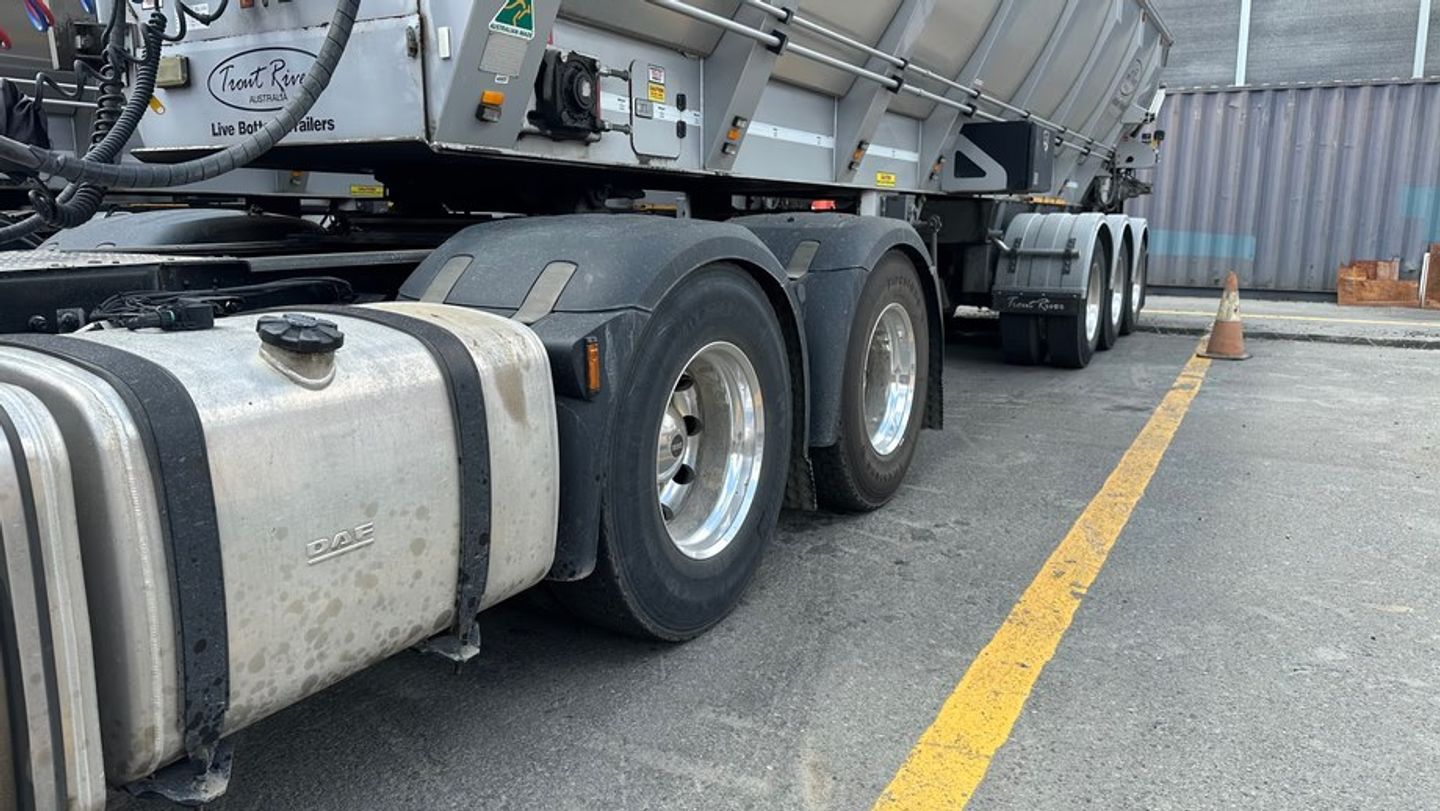
An interview with our Founder about fuel management, and the dangers of ignoring the signs of fuel theft.
The Background
The team at Fuellox have partnered with Kockon to bring advanced anti syphon systems to Australia.
David, tell us a bit about yourself.
I'm David White, founder of Fuellox and CEO of IOTIQ. My background is in fuel technology, some fuel marketing and as a fuel chemist. I've also spent several years around on site fuel storage and fleet fuel management. Last year marked my 25th in the fuel industry.
How did you get your job - What led you to this field?
In a prior career I often met customers who objected to the cost and value-for-money when it came to Fuel Management equipment. We saw an opportunity to create an entirely new way for equipment owners to manage fuel.
What is the benefit of combining new technology with fuel management?
The incumbent technology is pretty good. It works great for large fleets, static tanks and hundreds of personnel. New technology has meant we can produce a platform that suits other use cases such as smaller tanks, and portable refuelling activities commonly seen in civil construction and agriculture.
So what did you do?
I partnered with a company who had been a supplier in my past. They had a background in fuel system electronics. Fuellox was born. We found a way to manage fuel using a smartphone. It gives instant fuel accounting without some of the barriers that traditional fuel management has. By taking advantage of the computational resources in the phones people carry, our design is consistently much cheaper than traditional systems, allowing us to offer it to smaller companies with smaller tanks.
The Fuel Theft Problem
The QLD Crime and Corruption Commission state "Theft of fuel is one of the most difficult issues to detect and may not be discovered for a substantial period of time."
How is fuel getting stolen? Isn't it all locked up?
Often it is locked up. Customers tend to buy fuel for the equipment at the pump, same as you do for your private car at the service station. Many have home fleet refuelling where they store bulk fuel onsite. So while yes it's locked up, the theft rarely occurs at the dispense point. It's most often stolen from the 200 - 2000 L running tank of the truck.
Who are the likely culprits?
We've seen it all:
- Vandals
- Mischievous individuals looking for a quick 20 L to fill up a jerry can
- Serial thieves who use stolen fuel in their own businesses
- Disgruntled or entitled employees
- Professional operations where it's thousands of litres and tens of thousands of dollars in cash
At one client's site, it was a ute that pulled into the yard with a tank and pump just a few weeks ago (Dec 2023). On his last weekend before calling us, the ute pulled over 650 litres from 2 different tanks, costing him over $1,300 on that day. When the thieves get bold like that it starts affecting operations in addition to the bank account.
Despite police involvement they were left with little choice and found us.
How do they get away with it?
We believe there are a few ways. It mostly comes down to business owners just not knowing it's happening. Ultimately, they trust their staff. When you don't catch them in the act it actually takes pretty good data analytics to pick up on losses and that is just not practical for most business owners. It can be very hard to detect.
The Solution
We understand you have found something profound for this problem.
How can a business owner detect fuel theft?
There are several ways. Firstly it's around fuel usage. Knowing exactly how much fuel is used over a short time compared to a long time compared to a broader fleet operation. Looking for unexplained spikes in fuel consumption. The truck generally reports fuel burn from the engine computer, and it's largely theoretical. It only knows how much went into the engine not how much went into the tank.
There are other signs of fuel theft, and we actually created an online risk assessment tool that people can complete to see if they have a high risk of fuel theft.
The major risks of fuel theft come from:
- Vehicles left unattended in non-secure locations—trucks parked overnight and construction equipment that is usually left on remote sites
- Parking in non-secured depots that allow public access after hours and weekends
Common signs of fuel theft are:
- Fluctuating fuel usage
- Unplanned stops away from the depot, which can be detected with some fleet tracking systems
- Missing or damaged fuel tank caps
- Unexplained fuel spills under parked vehicles indicate someone has been into that tank
- Loitering or jerry cans in vehicles
Why Anti Syphon?
Early in our research it became apparent to me that while data was a major way to detect any misuse of fuel (for which we have Fuellox) many operators just want a physical barrier to prevent theft.
The Insight
Let's talk a bit about what you are seeing in the market and what fleet owners can do if they have this problem.
What trend have you seen?
It used to be that thieves would take a jerry can or 2. And missing 20-40L in a large tank was not always obvious. Now some of them turn up with a pump and take hundreds of litres at a time. With the price of fuel and the pressure on households it's not a surprise people are that desperate.
What can be done about it?
Aside from the measurement to see if it's happening the simplest thing is to add a mechanical barrier. Kockon systems are designed to insert into the tank neck. They don't affect the refuelling at all, however they permanently stop a suction hose getting into the tank.
The FAQ
How do they work?
Kockon units are designed to interface to the tank neck and there are many sizes and styles to accommodate the many tank neck types out there. They simply fit into the neck, and turn to engage the locking mechanism. Once it's in and locked it's done. Special tooling is needed to remove the part.
Sometimes the existing tank cap is retained which keeps the cost down. There are some cases where the existing tank cap can't be reused and the range comes with a comprehensive set of options to solve that issue.
How can fleet owners tell what parts they need?
We can tell them what they need. We have a PDF worksheet that can be completed, or an online form where images can also be uploaded. It's great to submit info from a mobile phone. If for any reason we are unsure what parts are needed our factory in Europe have all the answers.
How can fleet owners get the product?
Owners can order a sample for test fitting so they can try it before fitting out the fleet. And we work with the fleet owners to come up with a package of parts. We also try to minimise the SKUs so they get the most compatibility.
What if there is a problem?
We offer a money back guarantee on samples. So if the sample supplied does not suit that tank it can be exchanged for one that does. We've only had 1 truck so far where we had an issue. In the end the Kockon team engineered a new part to cover that mini excavator. It takes a bit longer but ultimately we want customers to be happy.
Innovation is always on the move. What's next for Kockon?
We have our eye on some interesting IoT systems that we hope to work with in the future. Real time on-board tank level reporting quickly detects theft. You can even flag the tank cap open/close so if the vehicle is not in an approved refuelling location it is reported.
We also have our eye on a differential onboard fuel meter that tracks engine fuel in vs out to give a minute by minute fuel burn value. It's real data not theoretical engine control data.
It's all about the customer really. If someone has a business need for that we'll help for sure. Right now we see there are some easier runs to get with the hardware systems.
Are You at Risk of Fuel Theft?
Complete our quantitative risk assessment to learn if your business is at risk of Fuel Theft. You will receive a risk rating and a guide of how to minimise risk and commercial loss.