 1300 557 356
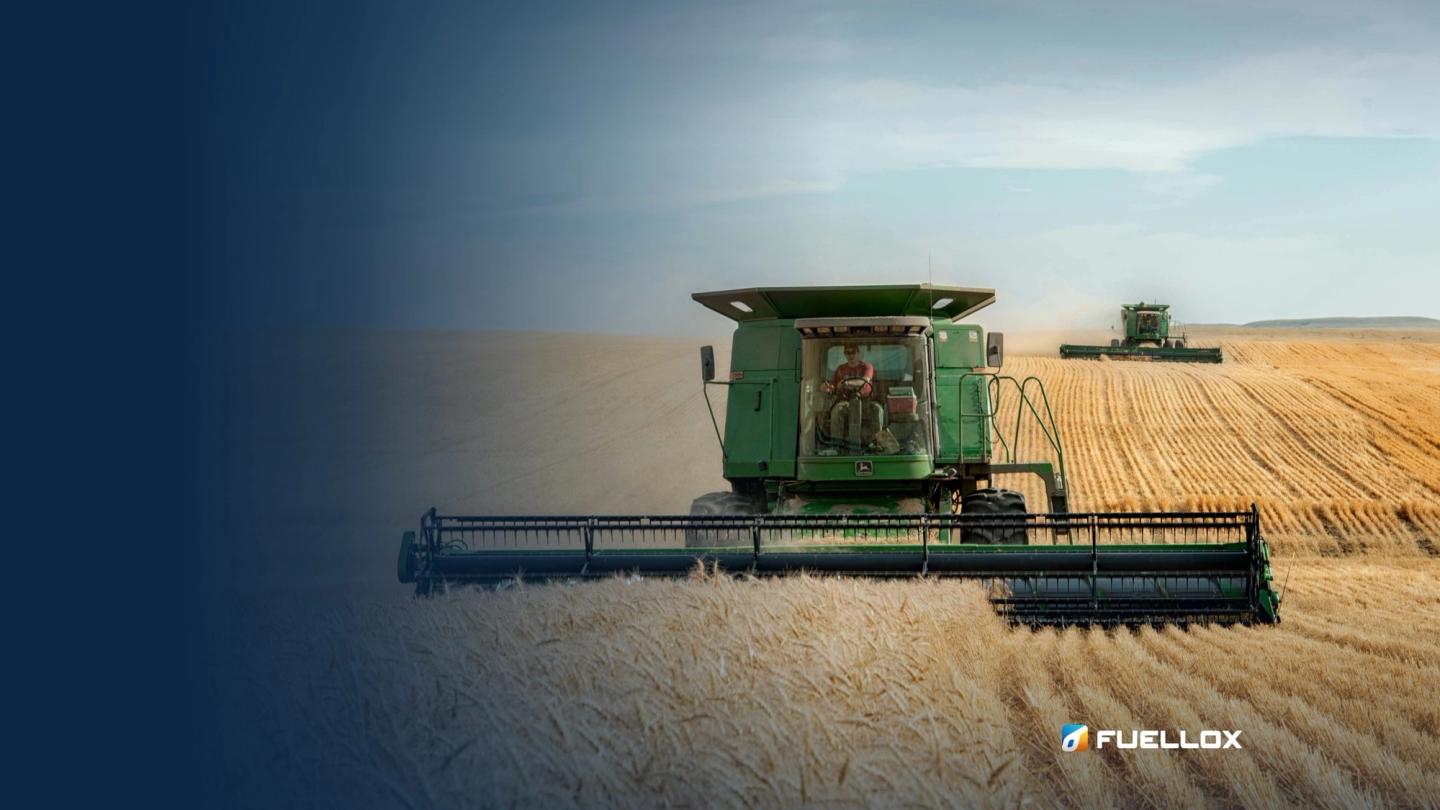
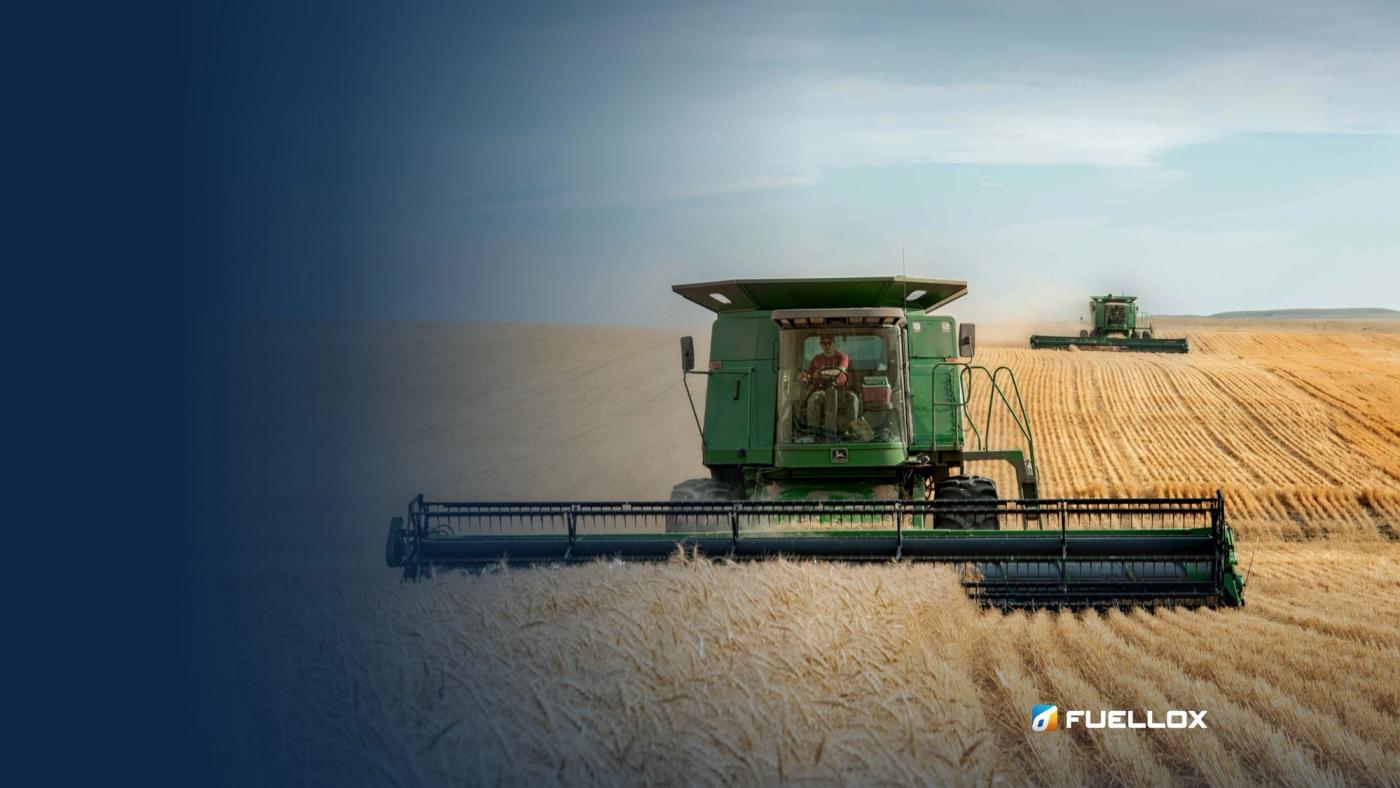
Drive through the Wheatbelt in October and you'll see it. Headers lined up across a paddock that runs out of sight. A chaser bin pulling alongside. A ute parked at the gate and a diesel tank in a shed three kilometres back. That is broadacre farming in Australia, and it runs on a scale most people never see up close.
This guide explains what it is, what it grows and where the money goes. It also covers the one cost most farms can't fully account for, which is diesel.
The short version
- Broadacre farming in Australia means growing grain, oilseeds and pulses, or running sheep and cattle, across large areas of open land.
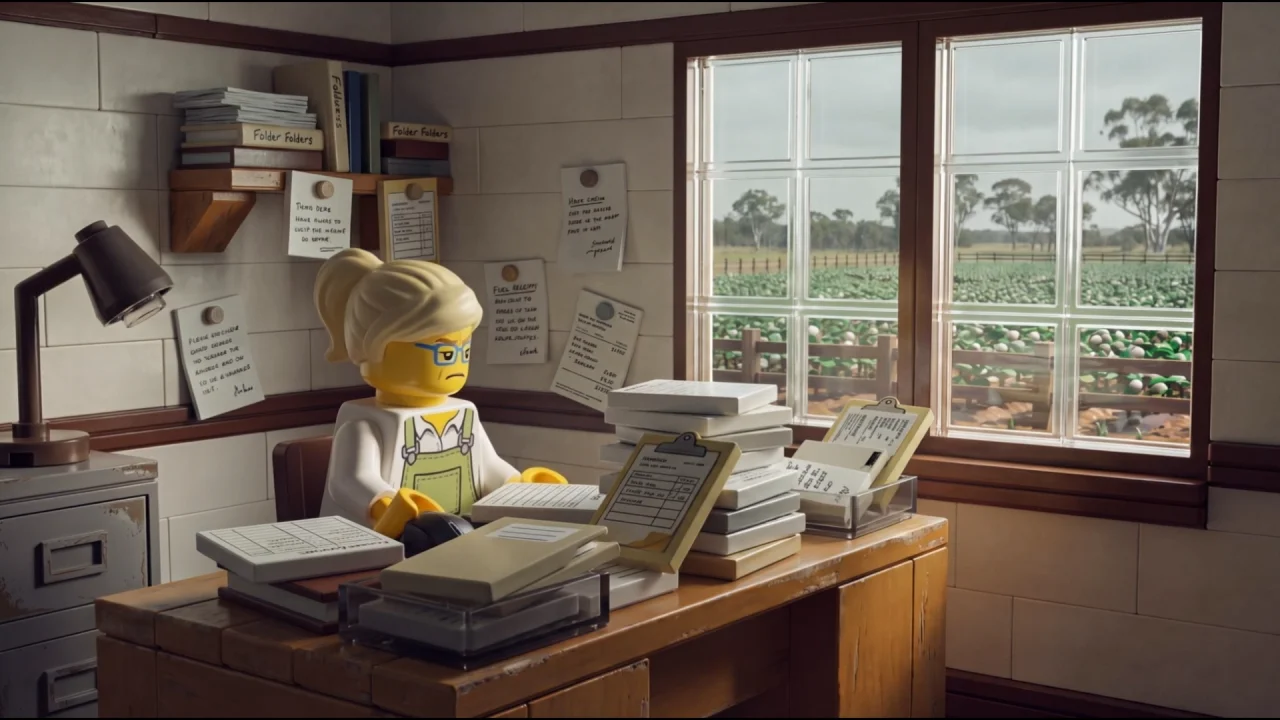
- Seed, fertiliser and chemical come with an invoice. Diesel doesn't. It leaves the shed through a dozen hoses and mostly gets written down from memory.
- Poor diesel records cost you twice: in fuel tax credits you can't back up, and in fuel you can't explain.
What is broadacre farming?
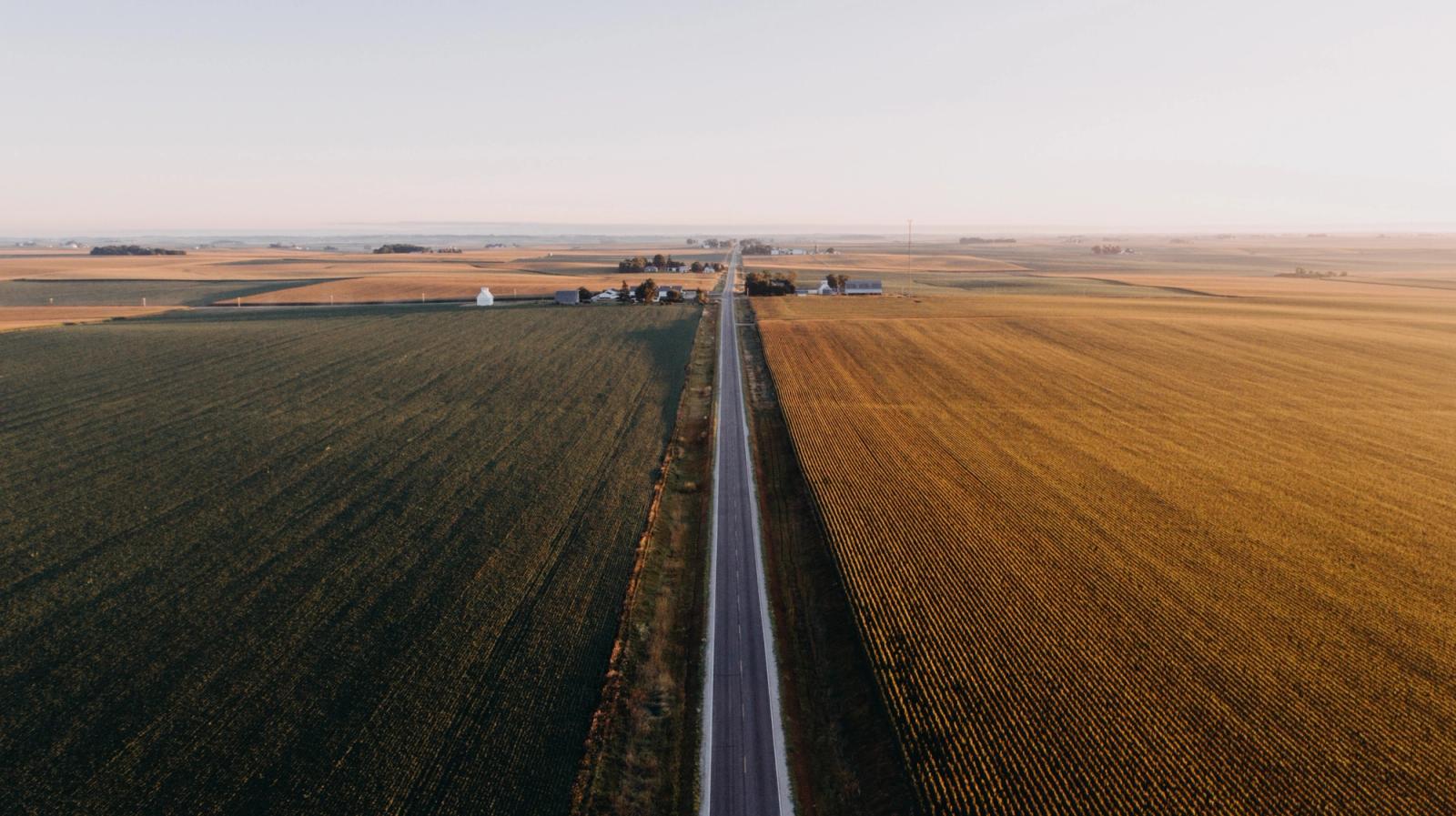
Broadacre farming means working big paddocks with big machines and not many people. The crops or stock are grown across open country, not in small intensive plots like orchards, vegetable beds or dairy sheds.
The word comes from the old "broad acres". We count hectares now, but the idea hasn't changed. It's the opposite of a market garden.
When ABARES, the government's farm research agency, groups farms for its surveys, broadacre covers the grain growers, the sheep and beef producers, and the mixed farms that do both. In practice it means a few machines, a few hands and a lot of ground.
What broadacre farming in Australia grows, and where
The crop side of broadacre farming is mostly cereal grains, canola and legumes. Think wheat, barley, canola, chickpeas and lupins. The livestock side is mainly sheep and beef cattle, often run alongside the cropping on the same farm.
The sector is big. In 2021 to 2022, broadacre crops made up 34% of the gross value of Australian agriculture, worth $31.1 billion. About 73% of the grain was exported. Those figures come from the CRC SA AFE broadacre sector page.
You'll find it in every mainland state. The Western Australian Wheatbelt, the Eyre and Yorke peninsulas in South Australia, the Wimmera and Mallee in Victoria, the central west and north west of New South Wales, and the Darling Downs in Queensland are the big names. Each has its own season, its own soil and its own headaches. The paddocks are different. The diesel problem is the same.
Where the money goes on a broadacre farm
If you asked ten growers what their biggest cost is, you'd get a few different answers. They'd all agree on the list, though.
| Cost | What it covers | How easy it is to track |
|---|---|---|
| Seed | Cereal, canola and pulse seed, plus treatment | EasyArrives with an invoice and a plan |
| Fertiliser | Spreading, banding and top-dressing | EasyInvoiced and applied to a known paddock |
| Chemicals | Pre-emergent, in-crop and fallow spraying | EasyInvoiced, with spray records |
| Labour and contractors | Family, casuals, harvest crews, contract headers | MediumTimesheets and invoices, if they come in |
| Machinery and repairs | Servicing, parts, depreciation, finance | MediumReceipts and service logs |
| Diesel | Tractors, headers, chaser bins, trucks, spray rigs, pumps | HardOften a docket book and a guess |
Seed, fertiliser and chemical arrive with a purpose and a paper trail. You know what you bought and where it went.
Diesel arrives in a tanker and leaves through every hose on the property. Nobody puts a tag on it.
Why diesel is the hard one
Every machine on the farm runs on it. During sowing and harvest they run long hours, often at night, often well away from the shed. A few things make it hard to keep track of.
The tanks are spread out. There's the home tank, a field tank on a trailer, maybe a bulk tank at a second block. Each one is somewhere different and some are open to anyone.
There's no mobile signal. Half the paddocks on a big farm have none. Anything that needs the internet to record a fill simply doesn't get used out there.
Lots of people pump. Family, regular staff, casuals, a harvest contractor with their own trucks. At peak, nobody is standing at the tank checking.
The docket book is the system. It works when someone remembers. At two in the morning with the header running, they often don't.
None of this is carelessness. It's a farm. The jobs that matter are in the paddock, not in the paperwork. But the gap between what's delivered and what's written down is real, and it has a cost.
What this looks like at BAS
Diesel used in farm machinery and other off-road business use can generally be claimed back as a fuel tax credit. For fuel acquired from 3 August 2026, the ATO rate for diesel in these off-road uses is 53.7 cents a litre. It changes every February and August.
Here's an example. It is an example only, not a customer result. Say a broadacre farm buys 40,000 litres of diesel in a year, all at the current rate.
| Example farm, 40,000 litres a year | Litres you can show | Credit at 53.7c a litre |
|---|---|---|
| Every fill recorded | 40,000 | $21,480 |
| Records cover 80% of fills | 32,000 | $17,184 |
| Difference | 8,000 | $4,296 |
That $4,296 doesn't just disappear. It's fuel you used, can't prove, and so can't claim. Or it's a claim you make and hope nobody checks.
The ATO says to keep fuel tax credit records for five years. They can be on paper or electronic, as long as they're in writing and show the fuel you bought and how you used it. Read the ATO's fuel tax credit rates for the rate that applies to your fuel.
Diesel used in trucks on public roads falls under a different, lower rate. So the record has to show not just how much fuel you used, but where.
What good diesel records look like on a farm
You don't need a system that does everything. You need records that answer five questions every time fuel leaves a tank:
- Who pumped it
- Which machine got it
- Which tank it came from
- How many litres
- When, and where
If the record also splits contractor fuel from your own, and on-road from off-road, your accountant has what they need at BAS time. Match the totals against what the supplier delivered once a month and you'll spot a gap while you can still do something about it.
That is the whole job. The tool just has to be easy enough that people use it at harvest, in the dark, with no signal.
Where Fuellox fits
Fuellox is a Bluetooth fuel management system made in Australia. It fits your existing tank and pump and logs every fill through the operator's phone. There is no SIM card and no mobile signal needed at the tank. Each fill saves on the phone and syncs as soon as it has signal. It suits tanks from 200 litres, and most farms fit it themselves in under an hour.
Operators scan the machine's QR code before they pump. Where pump control is fitted, no scan means no fuel. Casual crew get a login by text message, and you take it away when they finish.
A grain grower in New South Wales put the old way plainly: "We'd go to fuel up and the tanks were empty. But they were filled three weeks ago. It was just an honesty system."
For the wider picture on farm tanks and records, there's farm fuel management and our farm page. If your tanks sit in dead zones, how a fuel tracking app works with no signal explains why that doesn't matter.
If you only need records and not tank control, Fuellox Logbook replaces the docket book with the app.
See it on your farm
No pitch deck and no pressure. Just a look at what fits your tanks and how you run.
Book a 15-minute demo, or take a test drive and run a sample fill yourself.
Dave White is the founder of Fuellox and has worked in the fuel industry for more than 25 years.
Frequently asked questions
What is broadacre farming in Australia?
Broadacre farming is growing crops or running livestock across large areas of open land, using big machines and few people. In Australia it mostly means grain, canola and legume cropping, plus sheep and beef grazing, often on the same farm. It's different from intensive farming such as orchards, vegetables or dairy.
What crops are grown on broadacre farms in Australia?
The main broadacre crops are cereal grains such as wheat and barley, canola and legumes such as chickpeas and lupins. The mix depends on region, rainfall and soil. Many farms also run sheep or beef cattle alongside the cropping, so one property can grow grain and graze stock.
How big is broadacre farming in Australia?
Broadacre crops made up 34% of the gross value of Australian agriculture in 2021 to 2022, worth $31.1 billion, according to the CRC SA AFE broadacre sector page. About 73% of the grain was exported. Newer figures may differ, so check ABARES for the latest.
How much diesel does a broadacre farm use?
It depends on the area, the crops, tillage, soil, rainfall and how many machines are running. There's no single number that fits every farm. The reliable way to know yours is to record every fill by machine and tank, then compare the total with what the supplier delivered.
Can broadacre farmers claim fuel tax credits on diesel?
Yes. Diesel used in farm machinery and other off-road business use can usually be claimed. The ATO rate is 53.7 cents a litre for fuel acquired from 3 August 2026, and it changes each February and August. You must keep records for five years that show the fuel bought and how it was used.